
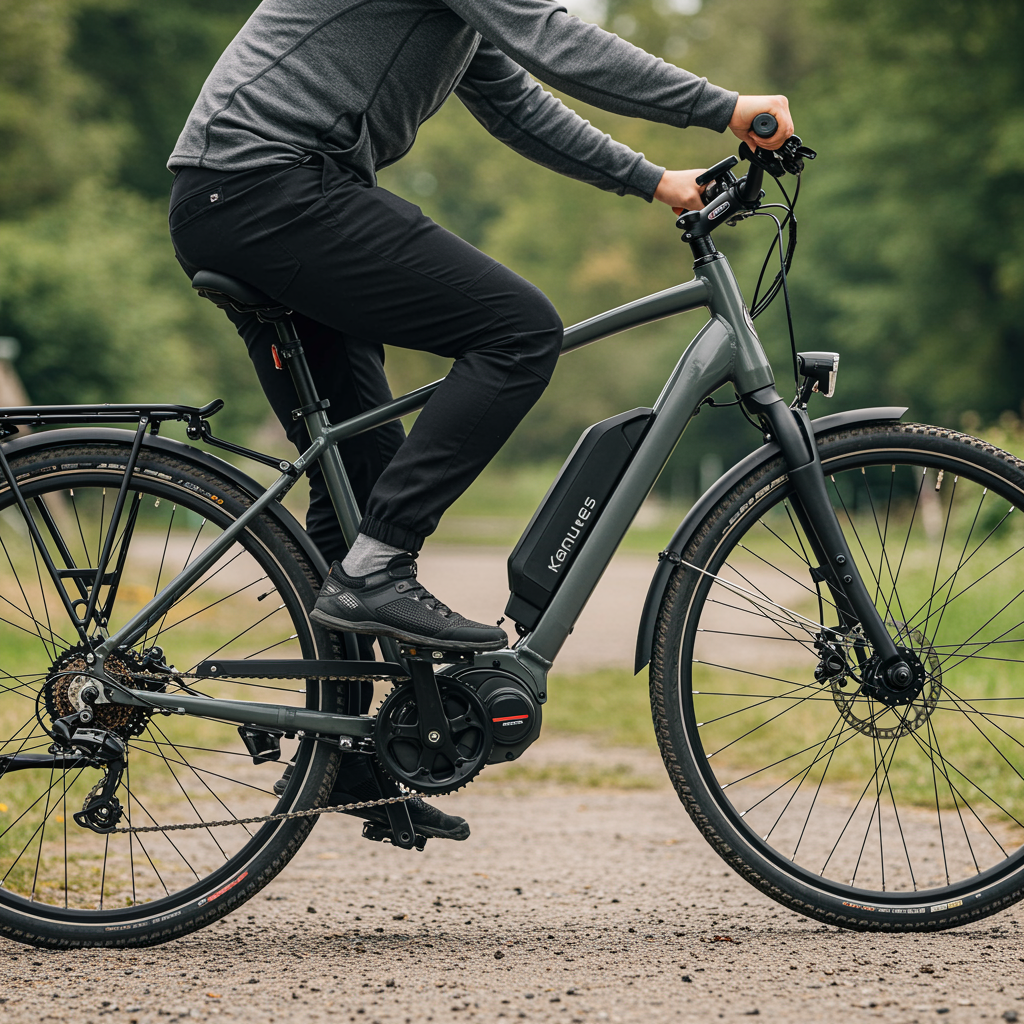
You see them zipping past traffic every morning. They look like regular bicycles, but the riders barely break a sweat. This brings us to a common question: how do electric bikes work to make cycling so effortless?
At their core, these machines rely on three main components to function. You have a battery, a motor, and a controller. These parts work together to boost your natural pedaling power.
It feels like you have a strong wind pushing you from behind. You still pedal, but the bike amplifies your effort. This makes steep hills feel flat and long distances feel short.
We wrote this guide to demystify the technology. You do not need an engineering degree to understand your ride. We break down every part so you can choose the best model for your needs.
The Three Main Components
An electric bike is not just a bicycle with a motor strapped to it. Manufacturers integrate specific systems to ensure a smooth ride.
The Motor
This is the muscle of the operation. It converts electrical energy into mechanical motion to turn the wheels.
The Battery
Think of this as the gas tank. It stores the electricity needed to power the motor for your trip.
The Sensor And Controller
This is the brain. It tells the motor when to push and how hard to work based on your riding style.
Understanding The Motor Types
The location of the motor changes how the bike handles. You generally find two main types on the market today. Each has distinct pros and cons for students and commuters.
Hub Motors
You find these motors located directly in the center of the front or rear wheel. They look like a large metal drum on the axle.
The motor spins the wheel directly. This design is simple and keeps the cost of the bike down. Many affordable bikes for students use this system.
Hub motors give you a distinct “pushing” sensation. It feels like someone is shoving you forward from the saddle. They work great for flat city streets and moderate hills.
However, changing a flat tire takes more work. You must disconnect the motor cable before removing the wheel. The weight balance also shifts toward the back or front of the bike.
Mid-Drive Motors
Engineers place these motors right between the pedals at the bottom bracket. This positions the weight low and in the center of the frame.
These motors send power to the chain, not the wheel. This allows the motor to use the bike’s gears. It mimics the natural feel of riding a standard bicycle perfectly.
You get much better performance on steep climbs. The motor works efficiently because it spins at an optimal speed. This makes mid-drive bikes the top choice for hilly areas.
The downside is the price tag. These systems cost significantly more than hub motors. They also wear out your chain and gears faster due to the extra power.
The Battery: Your Power Source
The battery determines how far you can go. Modern bikes use Lithium-Ion technology, similar to your laptop or phone.
Capacity And Range
You measure battery capacity in Watt-Hours or Wh. A higher number means you can ride longer before finding a plug.
A typical battery offers between three hundred and seven hundred Watt-Hours. This usually translates to a range of twenty to fifty miles. Factors like wind, hills, and your weight affect this number.
Charging The Bike
You charge the battery by plugging it into a standard wall outlet. Most bikes allow you to unlock and remove the battery. You can carry it into class or your office to charge.
A full charge typically takes four to six hours. Some premium chargers can do it faster. You should never leave a battery charging overnight without supervision.
Battery Lifespan
These batteries degrade over time. You can expect about five hundred to one thousand charge cycles. This usually lasts a daily rider three to five years.
Cold weather affects performance significantly. You might notice the range drops in the winter. We recommend storing the battery indoors when you are not riding.
The Sensors: How It Knows To Help
The magic happens when the bike senses your movement. Two types of sensors dictate how the power kicks in.
Cadence Sensors
This system detects when your pedals are spinning. It acts like a simple on-and-off switch for the motor.
You start pedaling, and the motor engages after a fraction of a second. It gives you a set amount of power regardless of how hard you push.
This system is common on budget-friendly bikes. It allows you to pedal lightly while the motor does all the heavy lifting. The ride feels slightly jerky compared to other systems.
Torque Sensors
This advanced system measures the actual force you apply to the pedals. It knows if you are struggling or just spinning lightly.
The motor responds instantly to your effort. If you stomp on the pedals to climb a hill, the motor gives maximum power. If you pedal gently, it offers a subtle assist.
This creates a “bionic” feeling. You feel like a superhero with super-strength legs. It offers the most natural and safe riding experience for traffic.
Electric Bike Classes Explained
Laws categorize these bikes into three specific classes. You need to know this to ride legally in your city.
Class 1: Pedal Assist Only
The motor only works when you pedal. It cuts off once you reach twenty miles per hour. You can ride these on most bike paths and city streets.
Class 2: Throttle Assisted
These bikes feature a throttle, usually a twist grip or a thumb button. You can ride without pedaling at all, just like a scooter. The motor also stops assisting at twenty miles per hour.
Class 3: Speed Pedelec
This is the fastest category for urban riders. The motor assists you up to twenty-eight miles per hour. You must pedal to get the power; throttles are usually not allowed.
These are great for commuting long distances quickly. However, some bike paths ban Class 3 bikes due to their speed. Always check local regulations before you buy.
The Display And Controls
You control the entire system through a display on the handlebars. It functions as your dashboard.
Assist Levels
You choose how much help you want. Most bikes offer levels like “Eco,” “Normal,” and “Turbo.”
Eco mode saves battery but requires more legwork. Turbo mode drains the battery fast but flattens the steepest hills. You switch modes with simple buttons near your thumb.
Vital Information
The screen shows your speed, distance, and remaining battery life. Accurate battery readings prevent you from getting stranded.
Some advanced displays connect to your phone. You can track your rides using GPS or lock the motor specifically from an app.
Maintenance Differences
You might wonder if these bikes require special care. For the most part, you treat them like a regular bicycle.
You must keep the chain clean and lubricated. The extra power puts more strain on the drivetrain. Expect to replace the chain more often than on a manual bike.
Brake pads also wear down faster. You are stopping a heavier vehicle moving at higher speeds. Check your brakes every month to ensure safety.
Tires need proper inflation to protect the rim and motor. Hub motor wheels are heavy, so pinch flats happen if pressure is low. We suggest puncture-resistant tires for city riding.
The electrical system is sealed against rain. You can ride in a downpour without worry. However, you should never submerge the motor or use a pressure washer to clean it.
Why Students Choose Electric
Campus life often involves moving between distant buildings. An electric bike turns a twenty-minute walk into a five-minute breeze.
You arrive at class fresh and cool. You avoid the sweat that comes from riding a regular bike in standard clothes. This matters when you sit in a lecture hall for hours.
Parking is free and easy. You lock it up right outside the building. You save money on gas, insurance, and parking permits.
Is It Cheating?
Die-hard cyclists sometimes claim that electric assist is cheating. We disagree completely.
You still move your legs and get your heart rate up. Studies show e-bike riders actually ride more often and for longer distances. It lowers the barrier to entry for exercise.
You choose the intensity level. You can turn the assist off to get a workout on the way home. It gives you options that a car or bus cannot offer.
Final Thoughts On How They Work
Electric bikes represent a perfect marriage of human power and technology. They take the basic bicycle design and remove the struggle.
The battery feeds the motor, the sensor reads your intent, and the controller manages the flow. It is a simple loop that creates a revolutionary experience.
You ride further, faster, and with more joy. Whether you commute to work or rush to class, the technology backs you up. Now that you know how it works, you are ready to choose your ride.